
Tesoro Art Intelligence
The Tesoro Edit
A monthly journal for looking at art with greater context. Choose an edition, then move through it one chapter at a time.
Tesoro
EditNovember 2026
Issue 02
What the material makes possible.
Paper, bronze and stitched metal. A closer look at the choices that give an artwork its meaning.
Meera Mukherjee · Zarina · Mukul Dey · Rohini Devasher · Richa Arya
Read online ↓Tesoro
EditOctober 2026
Issue 01
Look better. Ask better questions.
The inaugural edition: established markets, overlooked practices, contemporary trajectories and early discoveries.
Raza · Souza · Husain · Bhupen Khakhar · Rithika Merchant · Ayesha Singh
Explore Edition One ↓October 2026 · Issue 01
The inaugural Edit.
A guide to looking better, asking better questions and collecting with greater context.
The Edit is not intended to tell you what to buy. It is intended to help you look better, ask better questions and collect with greater context.
November 2026 · Issue 02
Read one chapter at a time.
Open only the section you want. Your place in the edition stays clear as you move through it.
Tesoro Art Intelligence · November 2026 · Issue 02
The Tesoro Edit
What the material
makes possible.
Paper, bronze and stitched metal. A closer look at the choices that give an artwork its meaning.
Letter from the founder
Something new
to notice.
An artwork often catches our attention through its image. Staying with it a little longer reveals another conversation: the grain of paper, the weight of bronze, the way a sheet of metal has been cut and stitched.
This November, we’re looking at what material makes possible. How does it shape the feeling of a work? What does an artist’s choice of surface, process or construction help us understand?
Across this edition’s ten practices, these questions offer a way into both familiar names and new discoveries. They invite us to notice the decisions behind the work, alongside the histories and research that inform our interest.
For those of us choosing art to live with, this closer attention can deepen a connection. A texture, a gesture or a small detail may be what draws us back, day after day.
I hope this edition gives you something new to notice.
Karishma Bhatia
Things to know / Materiality
Look beyond the image.
See what the material makes you feel. How does that particular material help communicate to you?
Paper holds the pause.
In Zarina’s work, spare forms and expanses of paper give the image its rhythm. The surface and the spaces between marks are part of the encounter.
What changes when you look at the paper as closely as the printed mark?
A gesture held in bronze.
Meera Mukherjee’s worked surface gives a hard material a sense of movement. Notice the relationship between weight and movement.
The seam tells a story.
In Richa Arya’s work, brass wire turns a familiar act of stitching into a way of joining iron.
The November Edit
Four ways of looking.
A ready reference for looking at the market with greater context. Each edition brings together Tesoro’s ongoing research across auction results, institutional exhibitions, gallery programmes, provenance and broader market signals.
The Reference Points
Meera Mukherjee · Zarina · K. K. Hebbar
Artists with established markets — where the real question is which work.
Worth a Closer Look
Mukul Dey
Artists whose art-historical position and market deserve another look.
Building the Canon
Rohini Devasher · Manjot Kaur · Sudipta Das · Monira Al Qadiri
Practices accumulating meaningful institutional and curatorial context.
From the Studio Floor
Richa Arya · Rahee Punyashloka
Two practices that made us stop this month.
01 / Established
A familiar name.
A closer look at the work.
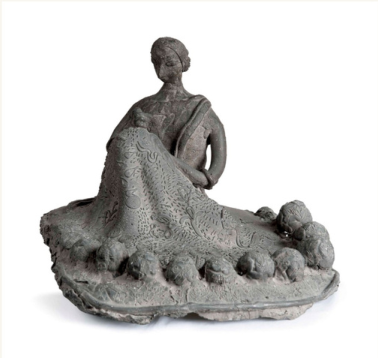
Meera Mukherjee
Untitled (Srishti), circa 1970s
A worked surface gives bronze a sense of movement. In Srishti, the act of stitching becomes a sculptural scene.
The Tesoro ViewLook closely at the surface, then consider how the work changes from another angle.
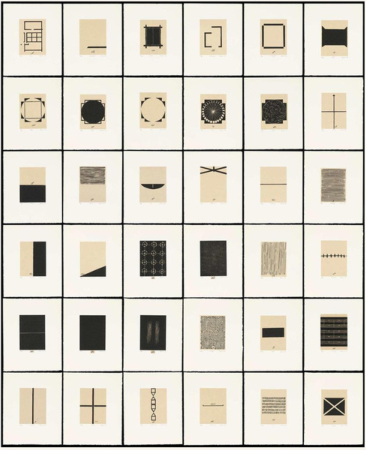
Zarina
Home is a Foreign Place, 1999
Repeated forms and Urdu words build a language of home. Paper and the space around each mark shape the rhythm of the portfolio.
The Tesoro ViewLook at the relationship between an individual sheet and the complete sequence.
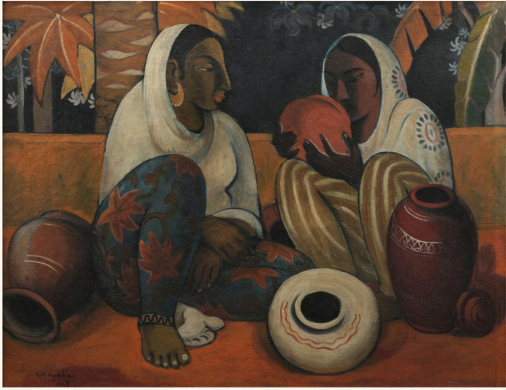
K. K. Hebbar
Untitled, 1942
Figures, vessels and foliage form a closely held scene. Notice how colour, texture and contour carry the composition.
The Tesoro ViewBegin with the particular work and its period when making comparisons.
02 / Reappraisal
The intimacy
of the printed line.
NGMA’s collection documentation records close to 390 works by Dey, including drawings, sketches and prints. This history invites renewed attention to the range and intimacy of his practice.
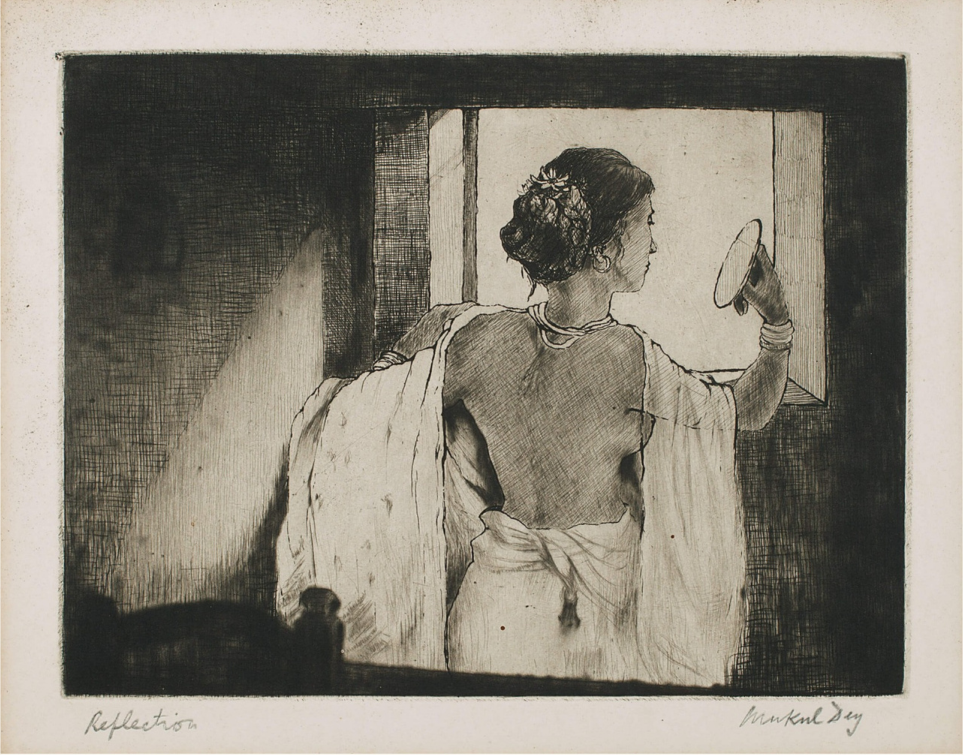
Mukul Dey
Reflection
A woman turns towards a hand-held mirror. Fine marks describe her hair and clothing, while dense lines gather into shadow. The image rewards time spent with the surface.
The Tesoro ViewWhich impression am I looking at? Confirm the date, edition, printing history, paper condition and provenance.
The line draws you in. The individual impression deserves attention.
03 / Contemporary
Building the Canon.
Compelling practices. Expanding contexts.
An artist’s choice of material shapes the way a work holds our attention: through surface, scale, light and movement.
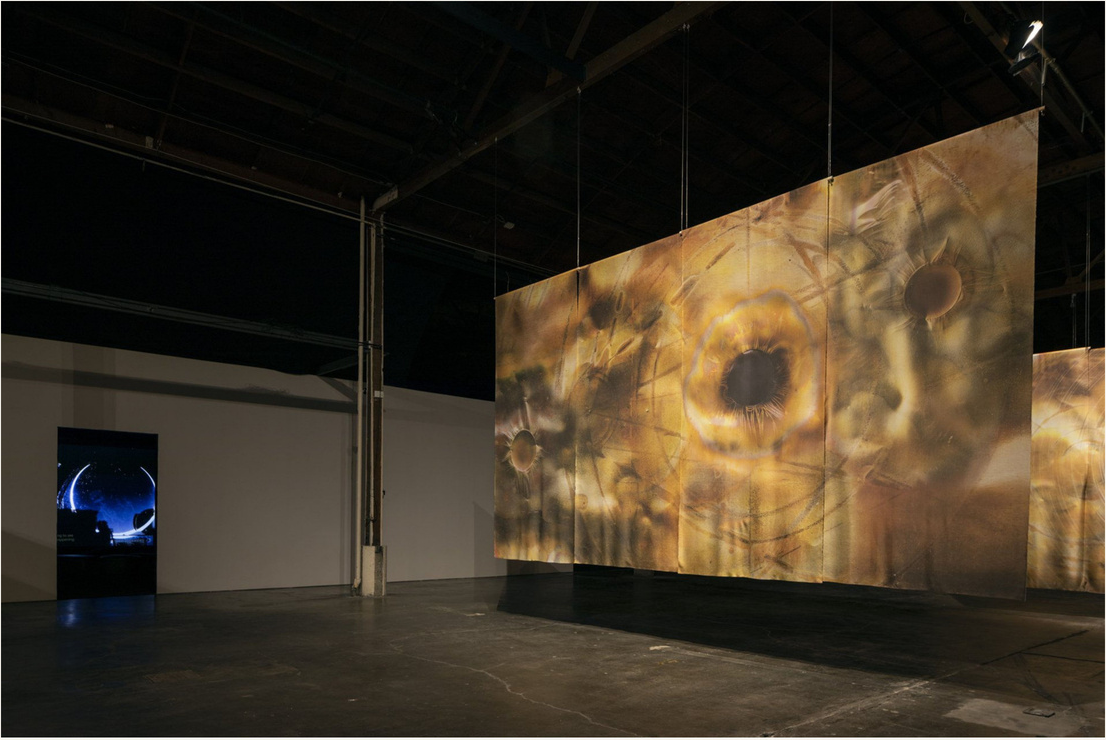
Rohini Devasher
One Hundred Thousand Suns
Observation becomes an environment. Notice how light, movement and scale shape the encounter.
The Tesoro ViewThe material is part of the experience. Look at how the work changes the space around it.
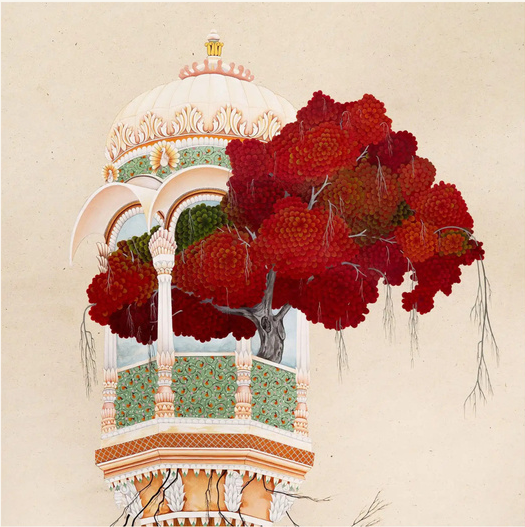
Manjot Kaur
The Portrait of a Tree in a Jharokha, 2025 (cropped detail)
Gold and fine detail frame a tree as the subject of an architectural portrait.
The Tesoro ViewLet material and making deepen the way you look.
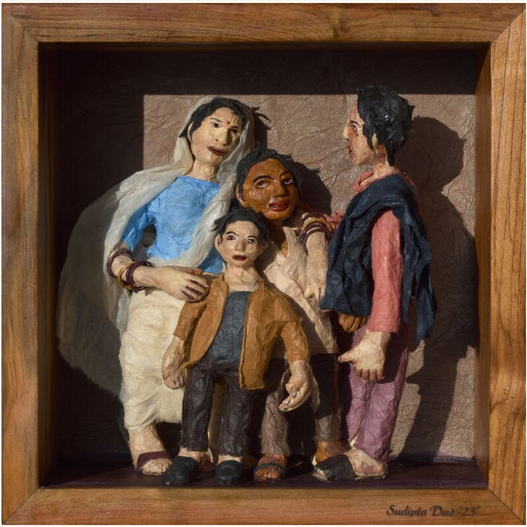
Sudipta Das
Reminiscence I, 2023
Figures gather inside a shallow frame. Notice how texture, gesture and proximity give the scene its emotional weight.
The Tesoro ViewLet material and making deepen the way you look.
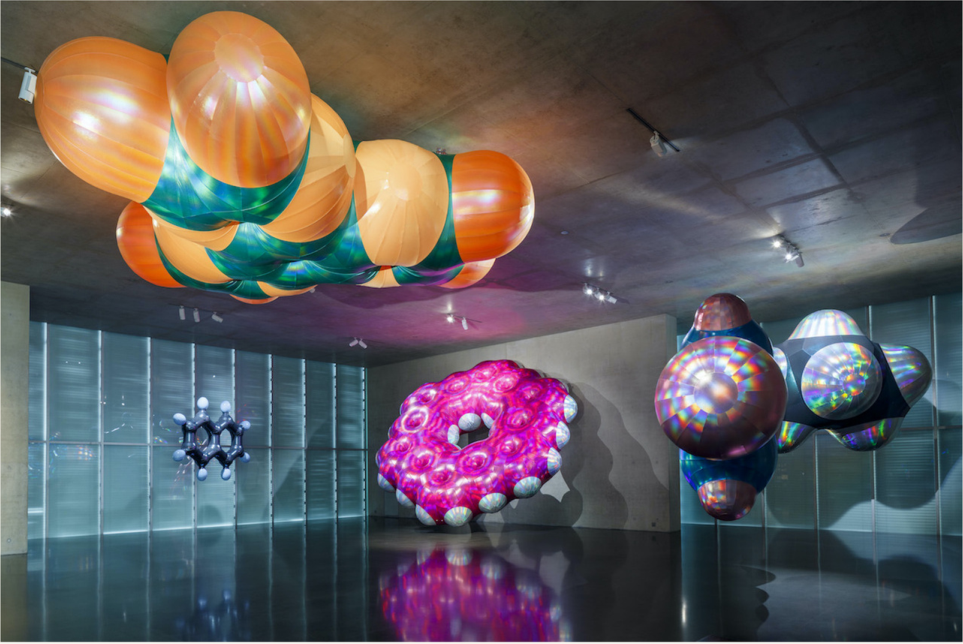
Monira Al Qadiri
Benzene Float, 2023
The shapes of petrochemical compounds are enlarged into suspended, reflective forms. Air, fabric and scale make an often invisible industrial world physically present.
The Tesoro ViewAir and scale give an invisible system a visible form. Notice how the material changes your sense of the space.
04 / Discovery
From the Studio Floor.
Sometimes research starts with data. Sometimes it starts much more simply: you see something and want to know more.
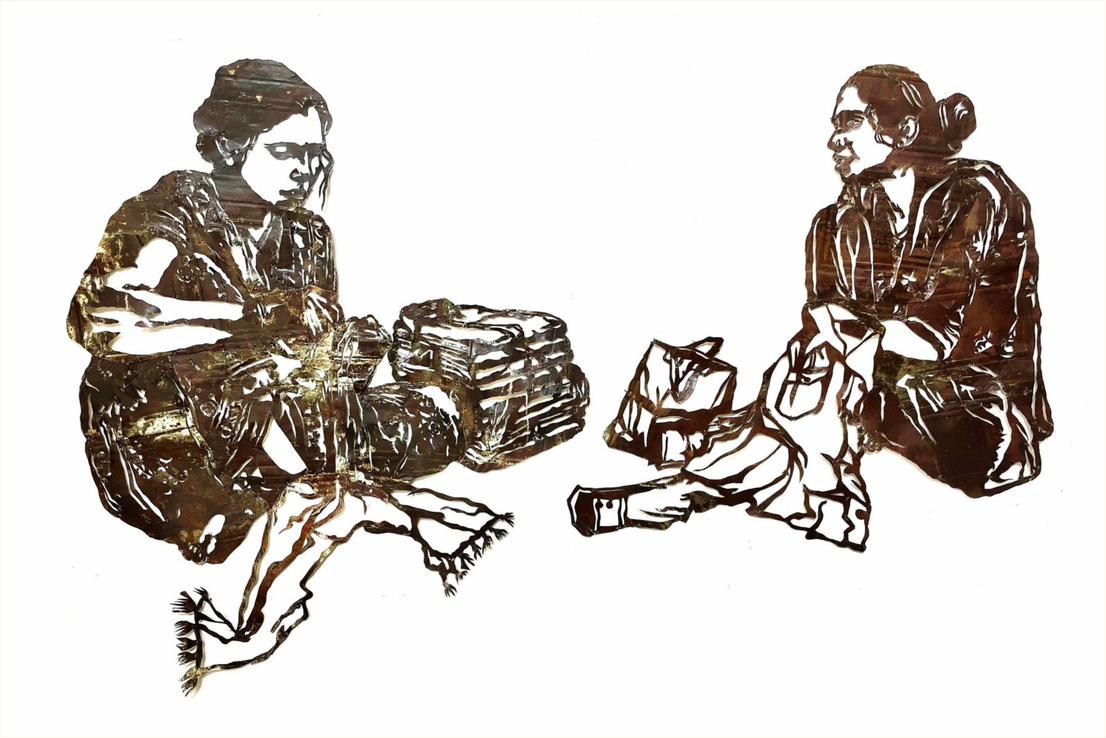
Richa Arya
Threaded Lives, 2023
Cut iron sheet is joined with brass wire. A familiar gesture of stitching becomes a way of shaping metal. Look at the joins as closely as the figures.
The Tesoro ViewThe seam belongs to the story. The act of making is part of what we see.
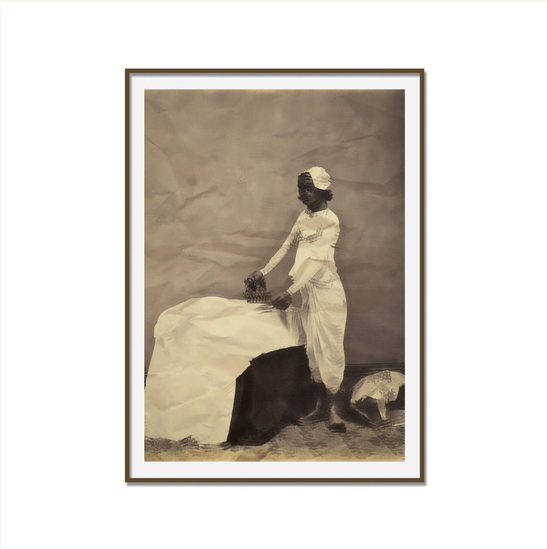
Rahee Punyashloka
Anatomy of a Smooth Surface #1, 2024
An archival portrait is reworked through digital and physical intervention. Creases interrupt the smooth image, bringing caste, labour and inherited ways of seeing into the frame.
The Tesoro ViewHand-crumpling is intentional. Ask how the work is meant to be framed and preserved.
Discovery begins with curiosity. Spend time with the wider practice. Ask what connects one work to the next.
The Tesoro Way · November 2026
Four thoughts for
the month ahead.
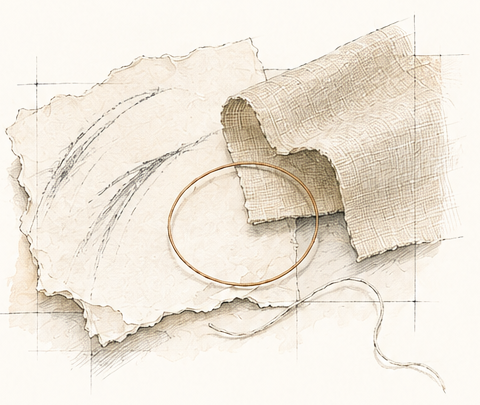
01 / What we’re noticing
Material carries meaning.
A seam, a fold or a cast surface can hold the central idea of a work. Notice how it is made and what that makes you feel.
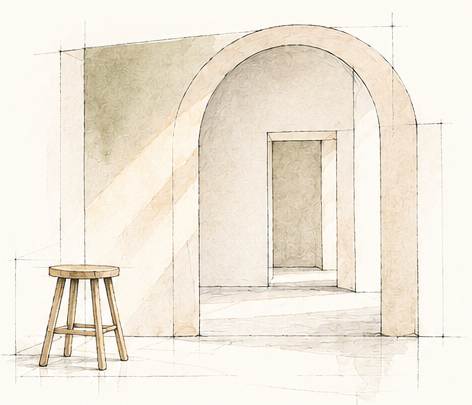
02 / What we’re considering
Scale is an experience.
Look at the work from the doorway and up close. Its relationship with your body, the light and the room can change the encounter.
03 / What we’re questioning
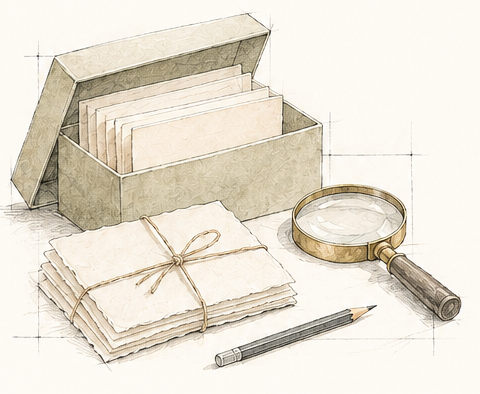
Read the evidence closely.
A collection, an exhibition and a residency tell different stories. Ask what is actually documented, and what remains an interpretation.
04 / How we’re discovering
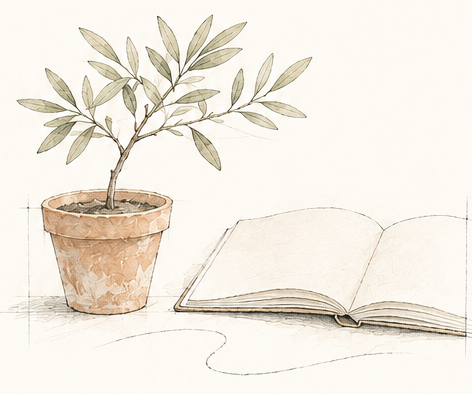
Give curiosity time.
Return to the artist’s wider practice. Look across works, dates and materials to understand what holds the practice together.